
Introduction
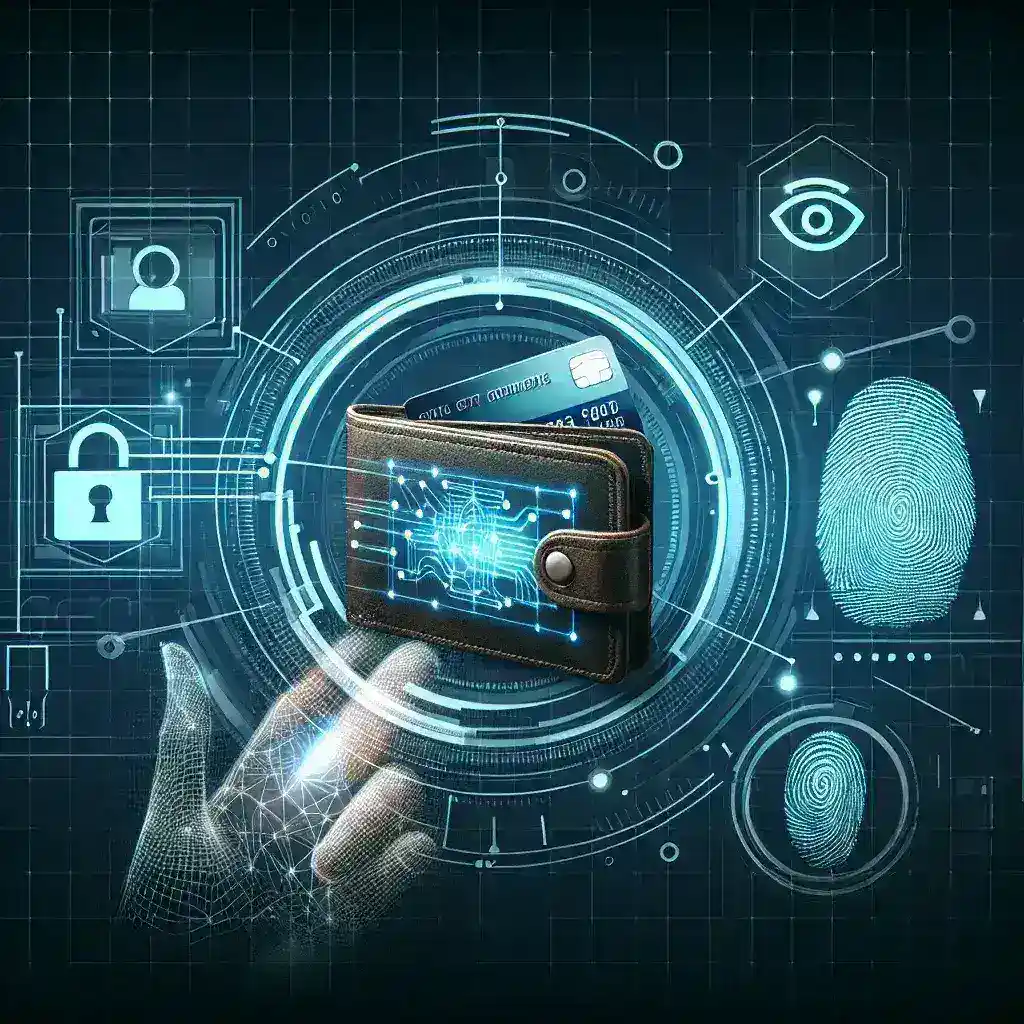
The rapid evolution of technology has transformed how we handle our finances. Among the most significant innovations are digital wallets and biometric payment systems. This article delves into the future of digital payments, focusing on digital wallets and biometric authentication methods.
The Evolution of Digital Wallets
Digital wallets have gained immense popularity over the past decade. Initially, these platforms were merely a way to store credit card information. However, they have evolved, providing users with a comprehensive financial tool. Digital wallets now enable users to make in-store purchases, transfer money to friends, and even pay bills, all from their smartphones.
Historical Context
The concept of a digital wallet can be traced back to the early 2000s, but it wasn’t until the rise of smartphones that they truly gained traction. The introduction of Apple Pay in 2014 marked a turning point, as it allowed users to make contactless payments using their phones. This paved the way for competitors like Google Pay and Samsung Pay, creating a competitive market.
Current Trends
- Increased Adoption: According to recent statistics, over 50% of smartphone users have utilized a digital wallet at least once.
- Integration with E-commerce: Digital wallets are increasingly integrated into online shopping experiences, streamlining payment processes.
- Enhanced Security Features: With concerns about data breaches, many wallet providers are implementing advanced security measures, such as encryption and two-factor authentication.
The Role of Biometric Technology
Biometric technology is at the forefront of enhancing security in digital payments. By using unique biological traits such as fingerprints, facial recognition, and iris scans, biometric systems ensure that only the authorized user can approve transactions.
Benefits of Biometric Payments
- Enhanced Security: Biometric data is unique to each individual, making it significantly harder for fraudsters to gain access.
- User Convenience: Biometric authentication speeds up the payment process, allowing for quick and seamless transactions.
- Reduction in Chargebacks: Biometric verification can lead to lower instances of fraudulent transactions, benefiting both consumers and merchants.
Challenges of Biometric Payments
- Privacy Concerns: The collection and storage of biometric data raise significant privacy issues among consumers.
- Technical Limitations: Variability in biometric systems can lead to inaccuracies, potentially denying legitimate users access.
- Regulatory Hurdles: Different countries have varying regulations regarding biometric data, complicating the global rollout of these technologies.
The Future Landscape of Payments
As we look to the future, several trends are likely to shape the landscape of digital payments.
Integration of AI and Machine Learning
Artificial Intelligence (AI) and machine learning will play a crucial role in enhancing the functionality of digital wallets. By analyzing user behavior, these technologies can create personalized experiences, suggest spending patterns, and even detect fraudulent activity before it occurs.
Blockchain Technology
Blockchain presents a revolutionary approach to digital payments. By creating a decentralized ledger, blockchain can facilitate peer-to-peer transactions without the need for intermediaries, greatly reducing transaction fees.
Greater Accessibility
As technology becomes more ubiquitous, digital wallets and biometric payments will become accessible to broader populations, including those in developing regions. Mobile banking solutions that leverage these technologies can empower individuals without traditional banking access.
Consumer Education and Trust
For digital wallets and biometric payments to flourish, consumer education will be essential. As users become more informed about security measures and the benefits of these technologies, their willingness to adopt them will increase.
Conclusion
The future of payments is undoubtedly exciting, with digital wallets and biometric technology at the forefront of this transformation. As these innovations continue to develop, they promise a more secure, convenient, and efficient financial ecosystem. Embracing these changes will not only benefit consumers but also pave the way for a new era in the world of finance.


Deixe um comentário