
Introduction
Mining in remote areas has always posed significant challenges, from harsh environmental conditions to logistical difficulties. However, the advent of robotics technology is revolutionizing this sector, providing innovative solutions that enhance productivity and safety. In this article, we will explore how robotics is being used in mining operations in remote locations, the benefits and challenges of this technology, and what the future holds for the industry.
The Evolution of Robotics in Mining
The use of robotics in mining is not a new concept. Historically, mining has relied on mechanization to improve efficiency since the introduction of mining machines in the 19th century. However, the integration of advanced robotics began in earnest in the early 2000s with the development of autonomous vehicles and drone technology.
Historical Context
In the past, mining operations in remote areas were hampered by the need for a large workforce, often resulting in safety hazards and inefficiencies. The introduction of robotic systems marked a turning point. These systems began with basic automation and have evolved into sophisticated machines capable of performing complex tasks.
Technological Advances
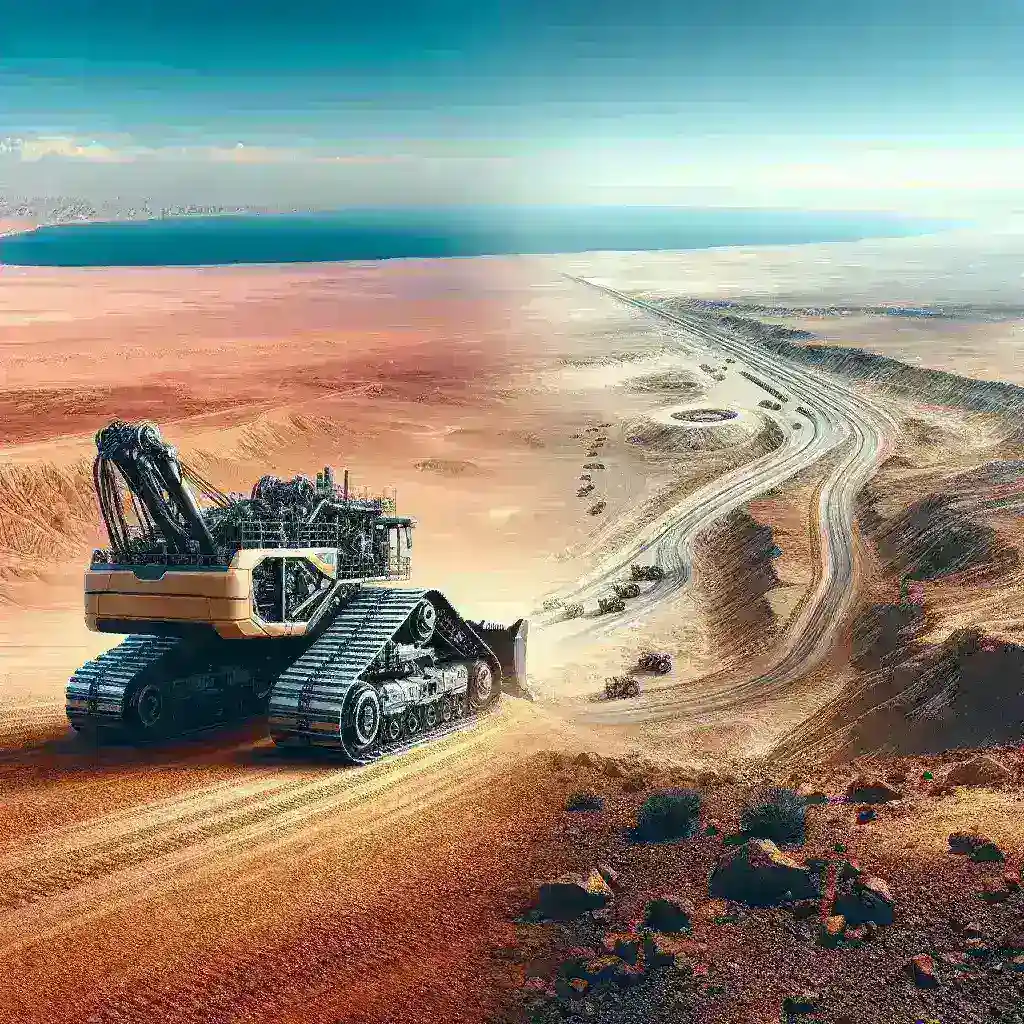
Today, robotics in mining includes autonomous trucks, drones for surveying, and robotic arms for excavation. These technologies are designed to operate in the most challenging environments, from icy tundras to arid deserts.
Applications of Robotics in Remote Mining
1. Autonomous Vehicles
Autonomous trucks are leading the way in remote mining operations. These vehicles can transport ore and waste materials without human intervention. They are equipped with advanced sensors, GPS, and AI technology to navigate safely through rugged terrains.
Benefits of Autonomous Vehicles:
- Increased Safety: Reduces the risk to human workers in hazardous environments.
- Cost Efficiency: Lowers operational costs through reduced labor needs and enhanced fuel efficiency.
- Continuous Operation: Capable of running 24/7 without breaks, increasing productivity.
2. Drones for Surveying and Monitoring
Drones are revolutionizing how mining companies survey and monitor their operations. Equipped with cameras and sensors, they can capture high-resolution images and create 3D maps of mining sites.
Benefits of Using Drones:
- Enhanced Data Collection: Provides accurate and real-time data, enabling better decision-making.
- Cost-Effective: Reduces the need for manned flights and ground surveys.
- Improved Safety: Allows remote inspections of dangerous areas without putting human lives at risk.
3. Robotic Excavation
Robotic arms are being used for excavation tasks in remote mines. These machines can precisely dig and move materials, minimizing waste and maximizing efficiency.
Benefits of Robotic Excavation:
- Precision: Increases the accuracy of excavation, reducing environmental impact.
- Versatility: Can be programmed for various tasks, adapting to different mining conditions.
- Reduced Labor Costs: Less reliance on manual labor decreases operational expenses.
Challenges in Implementing Robotics
While the benefits of robotics in mining are numerous, there are also challenges that companies must navigate.
1. High Initial Investment
The cost of purchasing and implementing robotic technologies can be prohibitively high, especially for smaller mining operations. Companies must weigh these costs against potential long-term savings.
2. Technical Expertise
Operating and maintaining advanced robotic systems requires a skilled workforce. This can lead to a skills gap, especially in remote areas where access to training is limited.
3. Reliability in Harsh Environments
Robotic systems must be robust enough to operate in extreme weather conditions and challenging terrain. Ensuring reliability and durability can be a significant hurdle for manufacturers.
The Future of Robotics in Mining
The future of robotics in remote mining operations looks promising. As technology continues to advance, we can expect further integration of AI, machine learning, and automation.
1. Enhanced AI Capabilities
Artificial intelligence will play a crucial role in the evolution of robotics. AI can help machines learn from their environment, improving their ability to make decisions and adapt to various mining conditions.
2. Increased Collaboration Between Humans and Robots
As robotic technologies become more sophisticated, the collaboration between human workers and robots will increase. This hybrid approach can lead to safer and more efficient mining operations.
3. Sustainability Initiatives
Robotics can also contribute to more sustainable mining practices. By minimizing waste and reducing energy consumption, robotic technologies can help the industry address environmental concerns.
Conclusion
Robotics is transforming mining in remote areas by enhancing efficiency, safety, and sustainability. While challenges remain, the ongoing technological advancements and the potential for increased collaboration between humans and robots signal a bright future for the industry. Embracing these innovations will enable mining companies not only to overcome the challenges of remote operations but also to set new standards in safety and productivity.


Deixe um comentário